The Open-Source Humanoid Just Got Real — and Why a Robot You Can't Fully Own Is Just a Data Funnel
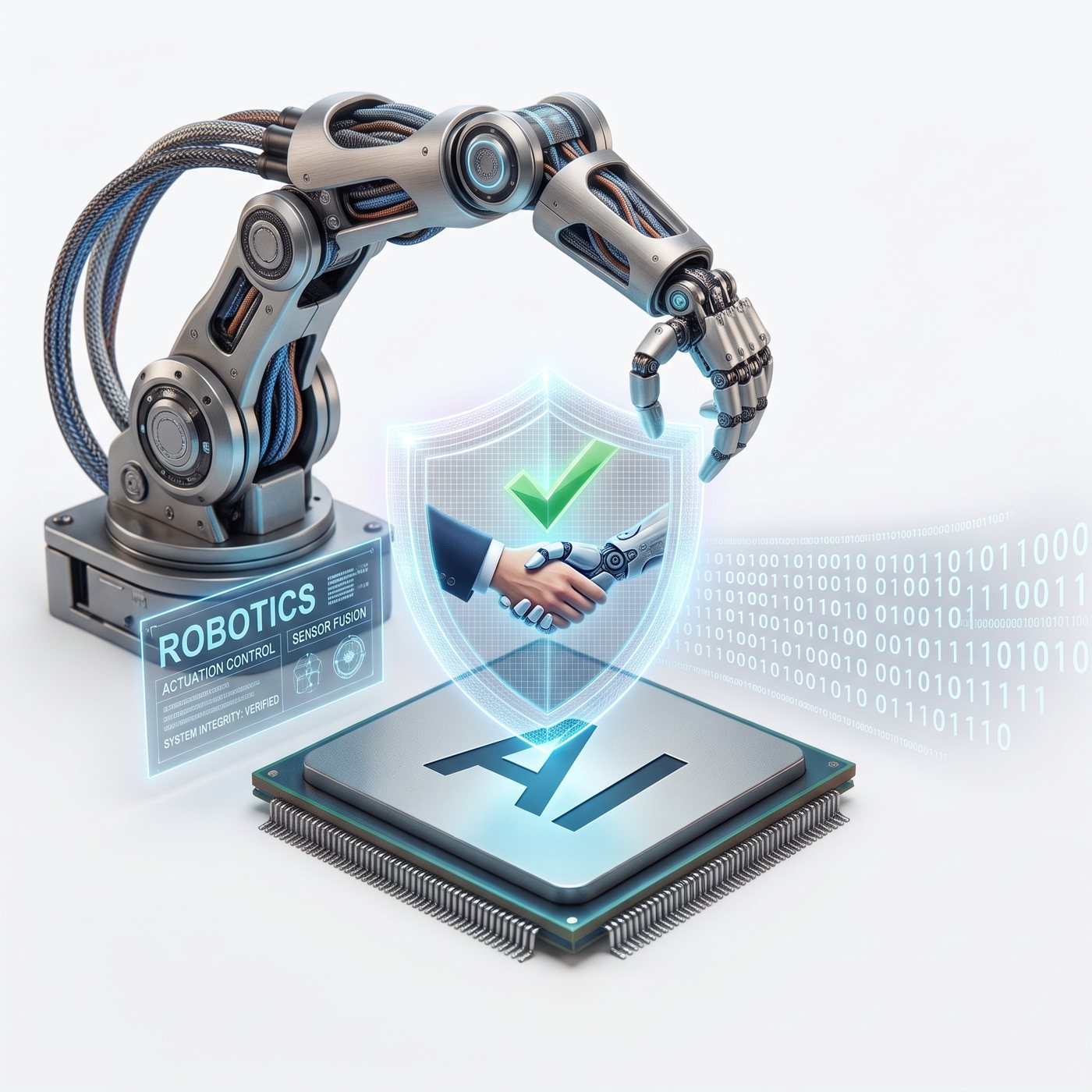
A San Francisco startup just started shipping a full-size humanoid you can take apart, reprogram, and disconnect from its maker entirely, for $8,999. The price matters less than what it signals: the era where a home robot is only ever a corporate data funnel is starting to close, and the open-versus-closed split is now visible in real dollars.
The development
K-Scale Labs (YC W24, Bay Area) sells its K-Bot as "the first full-size humanoid robot you can truly own, program, and understand, inside and out." The hardware and software are open source, the base price is $8,999, and the first run is capped around 100 units. That sits at one end of a market that has collapsed in price.
At the other end sits Unitree, which shipped more than 5,500 humanoids in 2025 and called itself the world's largest humanoid maker by units. Its average robot price fell from roughly 593,400 yuan in 2023 to 167,600 yuan in the first nine months of 2025. The R1 sells at $4,900 to $5,900, with a programmable EDU version at $10,500.
The silo read
Good for silos. A genuine open humanoid means a physical agent can be a real silo device: code you can inspect, local APIs, and the ability to pull every byte of data out and run it air-gapped. That is a tool you own instead of a service you rent.
Bad for silos. The cheap, closed, volume humanoids are the sharper risk, precisely because they are cheap. You put a networked microphone and cameras on legs inside your home for less than a decent laptop, and the data flows back to the maker's cloud by default. Low price plus high unit volume is the widest data-capture surface this industry has built yet.
How we deal with it. Apply the same ownership test to a robot you apply to a model. Can you dump all its data? Run it fully on your own system, disconnected? Inspect its code and its network calls? If the answer to any of those is no, it isn't a tool, it's a leak.
What this means for you
The rule that governs models now governs bodies. Anyone running a sovereign life OS should expect the same standard from a physical agent, and should be ready to turn down the cheaper box that quietly phones home. Sovereign infrastructure isn't anti-progress. It's pro-ownership.
The frontier just made home robots affordable. The question for a sovereign operator was never whether you can afford one. It's whether the one you buy can ever be fully yours.